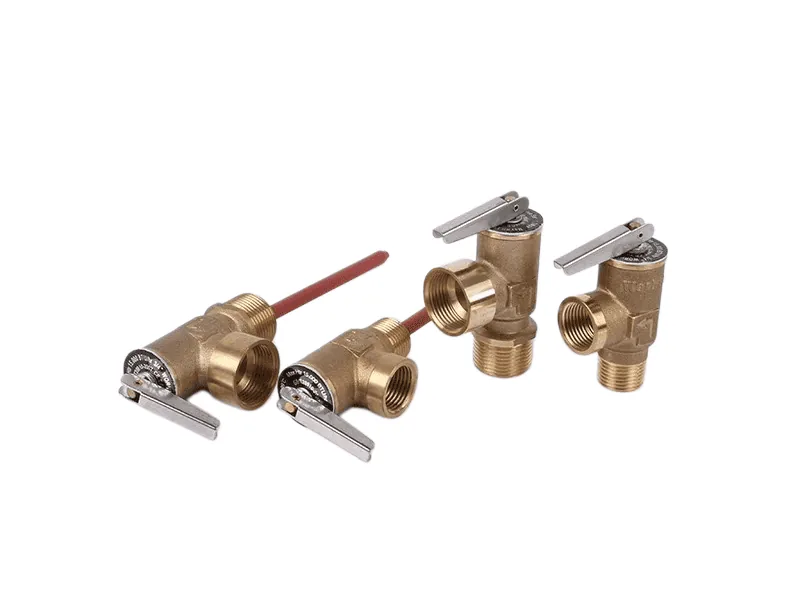
Water dripping from the temperature-and-pressure relief valve — the brass valve on the side or top of your tank with a pipe running down toward the floor — is your water heater telling you something is wrong. The TPR valve is a safety device, and its discharge always has a cause worth finding. Sometimes the valve itself has failed; more often it is faithfully venting pressure or temperature the system should not have. Here is how to respond, what not to do, and how the underlying problem gets fixed.
Why TPR Valves Leak
- Excess system pressure: The most common cause. In closed plumbing systems without a working expansion tank, every heating cycle spikes pressure until the valve opens to relieve it.
- Thermal expansion: Closely related — heated water expands, pressure climbs, and the TPR valve becomes the system's pressure release because nothing else can absorb it.
- Overheating: A thermostat stuck closed or set far too high drives water temperature past safe limits, and the valve opens on temperature rather than pressure.
- A worn-out valve: TPR valves age. Mineral deposits foul the seat, springs weaken, and a valve that once sealed cleanly starts weeping at normal pressure.
- Debris under the seat: Sediment or scale lodged in the valve — sometimes dislodged during testing — prevents full closure and causes a steady drip.
What to Do Immediately
First, the absolute rule: never cap, plug, or restrict the TPR discharge pipe. The valve is the last line of defense against catastrophic tank over-pressurization, and disabling it trades a drip for a genuine safety hazard. Next, check the thermostat setting — if it is cranked far above 120°F, overheating may be the cause, and lowering it is safe to try. Note the pattern: does it drip only during or after heating cycles (points to expansion/pressure), or constantly (points to a faulty valve or debris)? Place a bucket under the discharge pipe to protect the floor while you arrange service. If the valve is discharging heavily or continuously, treat it as urgent rather than routine.
Diagnosing the Real Cause
A professional diagnosis separates valve failure from system problems, because replacing the valve without fixing the cause just produces a new valve that drips too. The standard workup includes measuring static and peak water pressure with a gauge — readings above 80 psi, or spikes during heating cycles, confirm a pressure problem. The expansion tank gets tap-tested and its pre-charge checked against house pressure. The thermostat setting and operation are verified to rule out overheating. Only when pressure, temperature, and expansion all check out does the valve itself take the blame. This systematic approach is exactly what TPR valve service in Westfield covers: find the cause, then fix the right thing.
Replacing a TPR Valve
When the valve itself is the problem, replacement is straightforward: shut off water and power or gas to the heater, drain the tank below the valve level, unscrew the old valve, and thread in a new one rated for the tank's temperature and pressure specifications — the ratings are stamped on the valve and must match. The discharge pipe is reconnected, pitched downward, and terminated safely. It is a short job, but the rating match matters: an incorrectly rated valve may not protect the tank properly. Many homeowners pair the replacement with an expansion tank check, since the two issues travel together so often.
When It Is Not the Valve at All
Here is the outcome that surprises most owners: the valve tests fine, and the real fix is elsewhere. A waterlogged expansion tank gets replaced or recharged. High incoming pressure gets a pressure-reducing valve. A runaway thermostat gets replaced. Each of these stops the dripping by removing the reason the valve was opening — which is precisely how the safety system is supposed to work. If your TPR valve keeps dripping and you are not sure why, start with a TPR and pressure evaluation in Westfield rather than replacing parts blindly. And for any TPR issue that feels urgent, call (833) 713-2101 — a local representative will connect you with a professional who can diagnose it properly.
TPR Valves and Annual Maintenance
The TPR valve deserves a place in your yearly water heater routine, not just your emergency plans. Annual testing — lifting the lever briefly to confirm flow and clean shutoff — catches aging valves before they start weeping and familiarizes you with normal operation, so abnormal discharge stands out immediately. Most valves last several years, but hard water mineral buildup shortens that, making Westfield heaters good candidates for proactive replacement on a five-year cycle rather than waiting for failure. Pair the valve check with expansion tank testing, since the two work as a team: the expansion tank handles everyday pressure, and the TPR valve stands guard for the extremes. When both are healthy, your heater's pressure safety is genuinely redundant — which is exactly how safety systems should be.