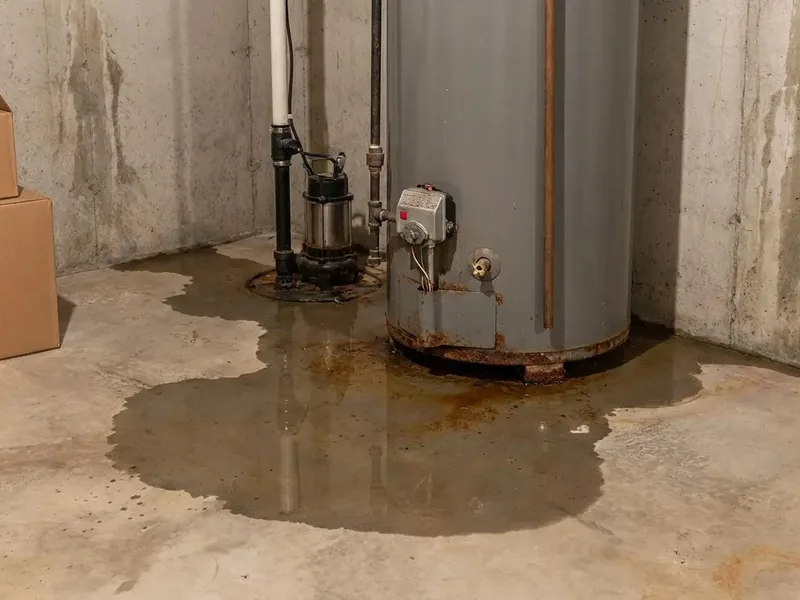
A water heater fails without ceremony. One morning you walk into the laundry room and find standing water, soaked baseboards, and a warped laminate floor. Beyond the shock of the damage, Westfield homeowners immediately face a second question: will my insurance pay for this? The answer depends on how the leak started, what was damaged, and — critically — how well you documented everything. This guide walks you through how homeowners insurance handles water heater leaks in Indiana, what adjusters look for, and the exact steps that give your claim the best chance of being paid.
Fair warning: insurance policies are not plumbing warranties. They respond differently to a sudden burst than to a slow drip that has been ignored for months. Understanding that distinction before you call your carrier is the difference between a smooth claim and a denial letter.
What Homeowners Insurance Usually Covers
Most standard homeowners policies in Indiana cover sudden and accidental water damage from a plumbing system — and that includes water that escapes from a burst water heater, a failed TPR valve, or a supply line that lets go. The key word is sudden. If a tank ruptures overnight and soaks the finished basement, the policy typically pays for the resulting damage: flooring, drywall, baseboards, damaged personal property, and sometimes mold remediation that follows.
What the policy usually does not cover is the water heater itself. The failed tank, the worn valve, the corroded fitting — that is considered equipment failure and wear and tear, and replacing it comes out of your pocket. Think of it this way: insurance pays for what the water damaged, not for the part that broke. There are endorsements that change this, but on a standard HO-3 policy, the appliance is excluded while the damage it caused is covered.
What Typically Gets Denied
The most common denial reason is gradual damage. A slow weep from the drain valve or a pinhole that has been seeping for a year leaves telltale signs — rust trails, mineral crust, rotted subfloor — that an adjuster reads as long-term neglect rather than a sudden event. If the damage developed over weeks or months, most carriers will deny it regardless of how new the discovery feels to you.
Other standard exclusions include damage from lack of maintenance, flood damage from outside the home (a leaking heater is not a flood; that is a separate policy), and mold damage that predates the claim or grew because the leak went unreported. If the heater was visibly rusting and dripping for months before anyone acted, the claim gets much weaker. This is why a quick response matters so much — which starts with stopping the water the moment you find the leak.
The First Hour: Stop the Water, Then Document
Your claim is built or broken in the first hour after discovery. Act in this order:
- Stop the leak. Shut the cold-water inlet valve above the heater and turn off the heat source. If you cannot stop it or the tank is actively flooding the space, call (833) 713-2101 for emergency water heater service in Westfield before you do anything else.
- Photograph everything before you move anything. Wide shots of the room, close-ups of the failed fitting or tank, the waterline on the walls, damaged flooring, wet belongings. Photograph the heater's data plate showing its age — it matters.
- Do not throw away damaged items yet. The adjuster may want to see them. If you must remove waterlogged carpet for safety, keep a sample.
- Mitigate further damage. Policies require you to take reasonable steps to prevent the damage from getting worse — drying, ventilating, extracting standing water. A professional leak inspection and moisture assessment creates an independent record of what happened and when.
- Call your insurer's claims line the same day. Most policies have prompt-notification language, and delays give adjusters room to question the timeline.
Building Your Claim File
Adjusters decide claims on evidence, so make their job easy. Assemble a file with the date and time you discovered the leak, dated photos from the first hour, receipts for any emergency service, a written log of every call with the insurer, and a list of damaged property with approximate ages and values. If a technician identified the failure point — a split seam, a failed valve, a burst supply line — keep their written findings. That third-party documentation is powerful when the cause is disputed.
It also helps to have records showing the heater was maintained. A receipt for an annual flush, an anode rod replacement, or a professional inspection does not guarantee coverage, but it undercuts the argument that the failure came from neglect. Homeowners who can show a maintenance paper trail get fewer headaches than those who cannot.
Working With the Adjuster
The adjuster's job is to verify three things: that the loss was sudden and accidental, that the damaged items are covered under your policy, and that the repair costs are reasonable. Be present for the inspection, walk them to the failure point, and hand over your claim file. Answer questions factually and briefly — resist the urge to speculate about how long the leak may have been going on before you found it, because casual guesses become recorded statements.
Get repair estimates from reputable local contractors before the adjuster assigns a number, so you can spot a lowball settlement. If you disagree with the outcome, you can request a re-inspection, bring in a public adjuster, or invoke the policy's appraisal clause. Most claims, though, settle cleanly when the documentation is solid.
The Repair vs. Replacement Decision After a Claim
Once the dust settles, you still need a working water heater — and remember, the policy covers the damage, not the new heater. This is often the moment homeowners decide the aging tank is not worth another gamble. If your heater was ten or more years old when it failed, a full water heater replacement with a new unit, a drip pan, and fresh valves costs more up front but resets the clock and sharply reduces the chance of a repeat claim. A repair makes sense when the failure was clearly isolated — a bad fitting on a relatively young tank — and the tank itself is sound, which is exactly what a tank leak evaluation determines.
Preventing the Next Denial
The cheapest insurance claim is the one that never happens. Annual flushing keeps sediment from overheating the tank floor, the anode rod should be checked every couple of years, the drain valve should be exercised so it works when you need it, and a drip pan with a drain line under the heater contains the small failures before they reach your flooring. A quick monthly glance at the heater — looking for rust streaks, drips, and dampness at the base — costs nothing and catches the slow failures while they are still cheap repairs instead of denied claims. Insurers notice maintenance habits too: when you can show the heater was cared for, the "neglect" argument dies before it is born.