ZIP code 46260 covers Indianapolis's northwest side, neighborhoods of 1950s through 1970s ranch homes mixed with newer infill near Eagle Creek and the Park 100 corridor. The water here, supplied by Citizens Energy Group, is famously hard: regional water quality data puts it around 300 parts per million, over 17 grains per gallon, classified as extremely hard. That is among the hardest municipal water in central Indiana, and it sets the fastest drain-valve failure clock in our service area.
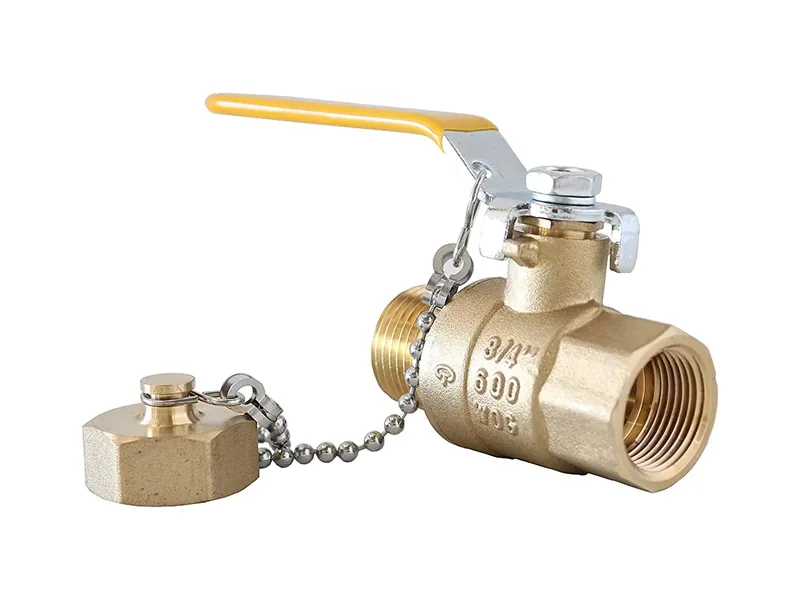
The drain valve is the small spigot at the tank's base that enables flushing and draining. In 46260's water, sediment accumulates so quickly that a plastic factory valve can become unreliable within a few years of never being touched. The washer fuses to the seat, grit packs the passages, the handle embrittles in the heat. Replacement with a full-port brass ball valve is not an upgrade here so much as a necessity.
IN SHORT
Drain valve replacement in Indianapolis, IN 46260 upgrades hard-water-destroyed plastic valves to full-port brass ball valves. Call (833) 713-2101, same-day service.
Extremely Hard Water, Extremely Fast Valve Failure
Most of our service area deals with hard water in the low-to-mid teens of grains per gallon. The northwest side runs over 17. That difference matters because sediment accumulation is not linear in its effects on a drain valve: once the sediment layer reaches the valve body, every additional year cements it further and fouls the seal more thoroughly. In 46260, a valve that has sat untouched for five years can be as thoroughly seized as a ten-year valve elsewhere.
The failure we see most here is the choked flush. A homeowner opens the valve, water starts strong and brown, and within a minute the flow strangles down to a trickle as sediment bridges across the valve's narrow passages. The tank cannot be flushed, which means the sediment stays, which means the valve gets worse. It is a self-reinforcing cycle that only a full-port valve breaks: the wide bore passes sediment instead of bridging it.
The second signature failure is the weep that will not stop. Grit lodges in the seat during any valve operation, and the plastic valve cannot seal past it. In extremely hard water, the grit is plentiful and sharp. We replace these valves weekly in 46260, and every one of them gets the same permanent fix: brass, full-port, quarter-turn.
Ranch Homes and Their Veteran Tanks
The northwest side's ranch neighborhoods, built from the 1950s through the 1970s, hold a deep inventory of veteran water heaters. Original-owner families are common, and so are tanks installed during 1990s and 2000s updates that have now been running fifteen-plus years. Basements and utility rooms in these homes often place the heater in a corner that has not been reorganized in decades, and the drain valve has not been touched in just as long.
These are the tanks where the valve has become structural. Fifteen years of 17-grain water builds a sediment mound that does not just surround the valve but incorporates it. Extraction requires real patience: hardened sealant, mineral-cemented threads, sometimes a valve body too corroded to grip normally. This is skilled work, and it is why the DIY videos do not apply here. Controlled leverage, thread protection, and the judgment to stop forcing things are what separate a clean swap from a damaged tank fitting.
For northwest-side homeowners with aging tanks, the valve replacement visit doubles as a tank assessment. We give an honest read: if the tank is sound, the valve plus a real flush buys years. If the tank is failing, we say so and do not sell you a valve for a heater that needs replacing. In a part of town where many households are watching repair budgets, that honesty is the service.
The Replacement Process
Call (833) 713-2101 and describe the valve: dripping, stuck, broken handle, seeping at the threads. Tell us the tank's age and where the heater sits. Northwest-side heaters are usually in basements, garages, or utility closets, and the location determines our drain hose routing. We schedule same-day from that call.
On site: shutdown, cool-down, controlled drain. Hose to the existing valve if it passes water, routed to a floor drain, sump, utility sink, or outside. In 46260's water, expect the drain to run brown and gritty and slow; heavy sediment is the norm here, not the exception, and we budget the time for a complete drain rather than a rushed one. If the valve is fully seized, we drain through alternate fittings.
Then the extraction, the step where northwest-side jobs earn their keep. The old valve comes out with steady, controlled leverage, the tank threads protected throughout. The full-port brass ball valve threads in with fresh sealant. Refill, air purge, restart, and the demonstration: open and close under full pressure while you watch. One to two hours, and the hardest water in the region meets a valve that does not care.
Living With 17-Grain Water After the Fix
Replacing the valve does not soften your water, and we will not pretend otherwise. What it does is give you the tool to manage hard water's effects: a drain valve that actually works. With a full-port brass valve in place, annual flushing becomes a realistic habit instead of a dreaded gamble, and annual flushing is the single most effective countermeasure to 17-grain water in a tank heater.
The flush routine is simple. Once a year, attach a hose to the new valve, open the lever, and run water until it flows clear. In 46260 that first post-replacement flush may run brown for a while; subsequent annual flushes stay much cleaner. Five to ten minutes, once a year, and sediment never rebuilds to the depth that kills valves and shortens tank life.
Consider the softener question separately. A whole-house softener is a legitimate investment in this ZIP, and it slows new scale formation meaningfully. But it does not remove existing sediment, and the valve replacement stands on its own merits regardless: even softened 46260 homes need a working drain valve, and the brass valve we install is the right part for softened or unsoftened water alike.
What Happens When You Call (833) 713-2101
Call (833) 713-2101 and describe the valve's behavior, the tank's age, and the heater's location. We plan the drain approach and schedule a same-day visit to 46260. We perform the full swap. Shutdown and cool-down, controlled drain sized for heavy sediment, patient extraction protecting your tank's threads, and a full-port brass ball valve installed. We verify under pressure. Refill, air purge, restart, then cycling the new valve open and closed while you watch it seal, plus an honest read on your tank's condition.
Condos and Townhomes: Valve Work With Shared Walls
The northwest side's condo and townhome communities add a layer to every plumbing job: shared walls, HOA rules, and water shutoffs that can affect your neighbor. A weeping drain valve in a second-floor utility closet is not just your problem — it is the ceiling below's problem too. We handle these calls with documentation in mind: before-and-after notes you can hand your HOA, careful containment so not a drop reaches common areas, and scheduling that respects quiet hours.
If your community requires advance notice for water shutoffs or restricts work hours, tell us when you call (833) 713-2101 and we will plan around it. And if the main shutoff is in a locked utility room, coordinate access with your association before our arrival — it is the single most common delay on condo valve jobs in 46260. A little coordination up front turns a potentially awkward shared-wall job into a routine visit.
What 17-Grain Water Does Inside a 46260 Tank
Indianapolis water on the northwest side runs extremely hard — commonly cited around 17 grains per gallon — and the inside of a local tank tells the story. We drain tanks here that release gallons of sandy sediment before the water runs clear. That sediment is calcium and magnesium that precipitated out of every gallon heated. It blankets the tank bottom, insulates the burner or elements from the water, and forces longer heating cycles — your gas or electric bill quietly climbs while the tank works harder.
The drain valve sits buried in that sediment zone, which is why northwest-side valves fail faster than anywhere else in our service area. After we install the brass valve, the prescription is simple: flush every six to twelve months, not the every few years that works in soft-water cities. At 17 grains, a year of neglect rebuilds the sediment mound. The valve makes the flush easy; the calendar makes it happen. Put it on the same schedule as your furnace filter and you will never think about it again.