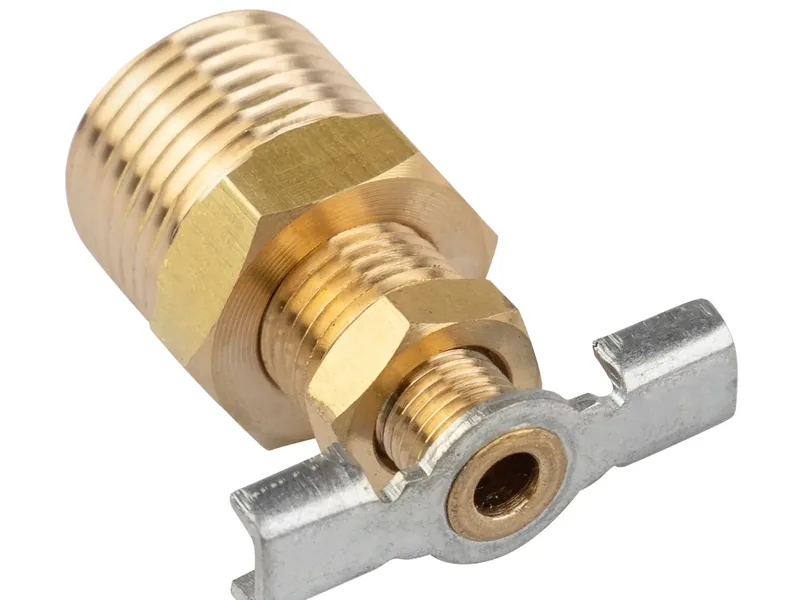
Drain valve replacement in Thorntown, IN 46071 fixes the small plastic spigot at the bottom of your water heater before it becomes a big problem. That valve is how the tank gets flushed and drained, and it is also one of the most common leak points on an aging heater. Well water around Thorntown runs very hard, often 15 to 25 grains per gallon and often carries iron and fine sediment, which means drain valves here clog, crust, and seize faster than anywhere else in the county. A valve that cannot open cannot flush, and a valve that cannot close becomes a leak.
Thorntown is a tiny rural town in southern Boone County, a quiet crossroads community with deep agricultural roots. The housing stock is old and modest, and the pace of replacement is slow. Homes in Thorntown are largely early-to-mid-1900s frame houses with a few postwar ranches. Water heaters are typically replaced only after failure, so tanks of 12 to 20 years are unremarkable, often sitting in the same spot for decades.
IN SHORT
Drain valve replacement in Thorntown, IN 46071 swaps a dripping, stuck, or cracked valve for a reliable brass ball valve. When you call (833) 713-2101, we ask what the valve is doing and how old the tank is, then schedule a same-day visit.
How Drain Valve Replacement Works in Thorntown, IN 46071
Factory drain valves are almost always plastic, and plastic plus heat plus mineral sediment is a short-lived combination. In Thorntown, where water runs very hard, often 15 to 25 grains per gallon, calcium scale builds up inside the valve body and around the washer seat. The typical story we hear in 46071: a homeowner decides to flush years of sediment, opens the valve, grit lodges in the seat, and the valve never fully closes again. Or the handle, brittle from years of heat, snaps off in someone's hand. Either way the result is the same, a steady drip at the bottom of the tank that only gets worse.
Well water makes every part of this worse in Thorntown. Iron sediment is finer and stickier than calcium scale, and it packs into valve threads and seats like wet cement. We regularly meet valves in the 46071 area that have not been opened in a decade and are effectively welded shut by iron deposits. Forcing one is how handles break and how plastic bodies crack, so part of our job is knowing when to work a valve gently and when to go straight to replacement. After the new valve goes in, we talk honestly with well owners about flushing on a schedule, because in this water a valve that sits unused for years will seize again.
Age adds a second layer in Thorntown. Homes in Thorntown are largely early-to-mid-1900s frame houses with a few postwar ranches. On tanks past ten years, the original plastic valve is often fused to the tank threads by scale, and the tank's own drain port may be partially blocked by a solid plug of sediment. We come prepared to clear the port, and we inspect the tank base while we are down there, because a valve that has been dripping for months can hide the early signs of seam failure underneath it.
Placement matters too. Old basements, root-cellar-style utility areas, and crawlspaces are the norm. Propane serves many homes beyond the gas mains. Access can be tight and the existing valves and fittings are often as old as the tank, so gentle handling matters. A valve at the bottom of the tank needs hose clearance to drain, and in tight Thorntown installs we plan the hose route before touching the valve so a stuck-valve surprise does not turn into a flooded utility room.
What the service visit includes
- Safe shutdown: cold-water inlet closed, gas or electric secured, and tank pressure relieved so the valve can be worked without a surprise discharge.
- Controlled drain-down: a hose is run to a floor drain, sump, or outside, and the tank is drained enough to work below the water line, fully if a flush is planned.
- Old valve removal: the plastic valve is backed out of the 3/4-inch port, with scale cleared from the port threads so the new valve seats cleanly.
- Brass upgrade: a full-port brass ball valve is installed with fresh thread sealant, giving a quarter-turn positive shutoff and a wide opening for future flushes.
- Refill, purge, and test: the tank is refilled, air is purged from hot lines, the new valve is cycled open and closed under pressure, and the base is checked dry.
Local Factors That Change Drain Valve Service in 46071
Sediment load leads. Wells and small municipal supplies mix in this area, and the groundwater is very hard, commonly 15 grains per gallon or more, sometimes with iron. Long service intervals plus hard water make for heavily scaled tanks. The drain valve sits exactly where all of that mineral ends up. In Thorntown, a valve that has never been exercised is not a working valve, it is a mineral fossil, and the first attempt to use it is the most common moment of failure.
Tank age decides the approach. Homes in Thorntown are largely early-to-mid-1900s frame houses with a few postwar ranches. Water heaters are typically replaced only after failure, so tanks of 12 to 20 years are unremarkable, often sitting in the same spot for decades. On younger tanks we upgrade the valve preventively during a first flush. On older tanks we work more carefully, because a decade of scale can fuse the valve to the port, and we check the base seam at the same time.
Where the water goes matters. Old basements, root-cellar-style utility areas, and crawlspaces are the norm. Propane serves many homes beyond the gas mains. Access can be tight and the existing valves and fittings are often as old as the tank, so gentle handling matters. We plan the drain route before opening anything, and in finished spaces we protect flooring first, because even a controlled drain-down moves dozens of gallons.
How Thorntown homeowners usually discover the problem
- The valve drips steadily after someone tried to flush the tank, sediment is holding the seat open.
- The valve will not budge at all, iron deposits have effectively cemented it shut.
- The plastic handle snapped off during a flush attempt, leaving a stub that cannot be turned.
- A slow, constant weep at the valve threads that has been staining the floor for months.
What Happens When You Call (833) 713-2101
We ask whether the valve is dripping, stuck shut, broken, or weeping at the threads, and how old the tank is. That tells us whether to plan a simple swap or a swap plus a full flush. On arrival in Thorntown, we shut the tank down, drain it in a controlled way, replace the valve with a full-port brass ball valve, refill, purge the air, and cycle the new valve under pressure so you can see it work. Most visits run one to two hours.