Carmel, IN 46032 is known for its neighborhoods of well-kept homes — and behind many of those homes' utility closet doors sit water heaters whose TPR valves are quietly weeping. In Carmel's upscale subdivisions, finished basements, and luxury builds, a dripping temperature and pressure relief valve often traces to high municipal pressure, thermal expansion in tightly closed plumbing systems, or a valve whose seat has scaled up in hard water. Whatever the cause, the valve is signaling a system condition that deserves a proper diagnosis.
Water Heater Leak Repair Co. provides TPR valve replacement in Carmel, IN 46032 for gas and electric tank water heaters, including the larger 50- and 75-gallon units common in Carmel homes. We diagnose the pressure and temperature picture first — incoming pressure, expansion control, thermostat behavior — then install a correctly rated valve and bring discharge piping up to code. Call (833) 713-2101 for a straight assessment of what your valve is telling you.
In Short: TPR valve drips in Carmel, IN 46032 most often stem from high municipal static pressure, thermal expansion in closed systems with failed or missing expansion tanks, or scaled valve seats. We measure pressure through a live heating cycle, replace the valve with one matched to your heater's BTU rating, and route the discharge pipe to a visible, compliant termination.
How TPR Valve Replacement Works in Carmel, IN 46032
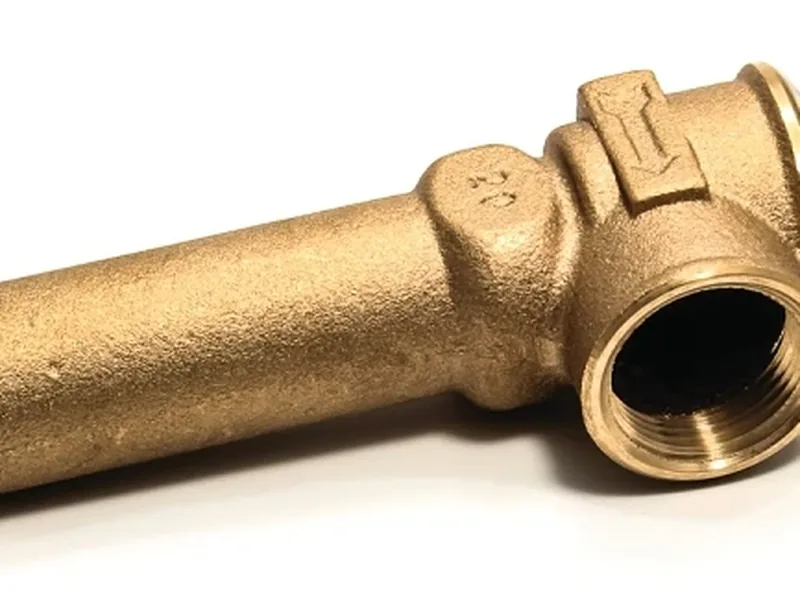
The TPR valve screws into your water heater tank and stands guard over two limits: 150 PSI of pressure and 210°F of temperature. A spring holds it shut; a probe senses tank temperature. Exceed either limit and the valve opens, sending hot water down the discharge pipe. Our Carmel replacement service treats the valve as a safety device first and a wear part second — the diagnostic drives the repair.
We begin with the heater's energy off and the cold inlet closed. After a controlled pressure relief, we mount a gauge and record static pressure, then run the heater through a full recovery cycle while watching the needle. Carmel homes often reveal elevated static pressure — municipal pressure in parts of the city runs high, and older pressure-reducing valves drift upward over time. When we see 90 PSI static climbing past 150 during recovery, the diagnosis is clear: the TPR valve is relieving expansion pressure that has nowhere else to go, and the system needs expansion control corrected alongside the valve replacement.
Expansion tanks get a dedicated check. Many Carmel homes have them — builders install them as standard — but a tank with a failed diaphragm or lost pre-charge is just a steel can on the pipe. We check the air charge at the Schrader valve with the system depressurized and confirm it matches the home's static pressure. A waterlogged expansion tank explains TPR weeping on heaters as young as two or three years old, and replacing the valve without fixing the tank guarantees a repeat service call.
Thermostat verification matters too, especially on the larger electric units common in Carmel. A sticking upper thermostat can drive the tank toward the valve's temperature limit, producing discharge of scalding water rather than the modest weep of pressure relief. We verify cut-out temperatures and ECO function before condemning the valve, because a temperature-driven discharge means the control — not just the valve — needs attention.
The installation itself is exacting. We extract the old valve from the tank tapping, dress the threads, and install the new valve with potable-rated thread sealant. The new valve's BTU rating must meet or exceed the heater's input — we read both plates and match them. On Carmel's 75-gallon gas units with high input ratings, this matching is critical: an undersized valve cannot pass enough energy in a runaway to keep the tank safe.
Discharge piping in Carmel's finished basements demands care. Code requires full-size pipe, gravity fall, no restrictions, and termination 6 to 24 inches above the floor or a drain — visible. We frequently find discharge lines in Carmel utility closets that terminate behind the water softener, run into wall cavities, or were never installed because the heater sits on a pan with a drain the installer assumed was sufficient. (It is not — the pan drain handles leaks, not a full TPR discharge.) During a TPR valve replacement in Carmel, IN 46032, we correct the discharge routing even in finished spaces, because the valve's warning function depends on visibility.
We refill the tank completely before restoring energy, run a full heating cycle with the gauge attached, and confirm the new valve stays dry. The test lever gets exercised in front of you — a crisp blast, a clean reseat — and we review the pressure readings together so you understand exactly what was wrong and what we changed.
Carmel's Typical TPR Complaints, Decoded
The most common call we get from Carmel is the intermittent puddle: dry for days, then water on the utility closet floor after a busy morning of showers and laundry. That pattern is thermal expansion almost every time — big draw, long reheat, pressure spike, valve weeps, cycle ends. The second most common is the constant damp discharge pipe with mineral crust at its end, which points to high static pressure or a scaled seat. The third — rarer but urgent — is a sudden gush of very hot water: temperature runaway. If you ever see that, shut off the heater's energy and call (833) 713-2101 immediately.
Hard water plays a supporting role across Carmel. Even in homes with softeners, the years before the softener was installed — or periods when it ran out of salt — leave scale on valve seats. A scaled seat weeps at normal pressure; worse, scale can freeze a valve shut so it fails the annual lever test. We check every old valve's lever during diagnosis and show you the result.
Local Factors That Matter for TPR Valves in Carmel, IN 46032
High municipal pressure is Carmel's signature factor. Elevation changes across the city's pressure zones, combined with PRVs that drift high over 10 to 15 years, put many homes at 80 to 100 PSI static. At those levels, normal thermal expansion easily pushes peaks past the valve's set point. We routinely recommend PRV testing or replacement alongside TPR service in Carmel — fixing the pressure fixes the drip at its source.
Large households and large tanks amplify expansion. Carmel's bigger homes often run 50- to 75-gallon heaters serving multiple bathrooms. More stored hot water means more expansion volume per recovery cycle, which means bigger pressure spikes in a closed system. Expansion tanks must be sized to the system; an undersized tank on a 75-gallon heater saturates early and the TPR valve takes over. We size-check expansion tanks during service.
Finished basements and utility closets dominate Carmel installations. Heaters hide behind louvered doors surrounded by finished drywall, and discharge terminations hide with them. A weeping valve can damage baseboards and flooring for weeks before anyone opens the closet. We terminate discharge lines where they can be seen and recommend a water alarm at the heater base — inexpensive, loud, and effective.
Water softeners are common in Carmel, which helps valve longevity — but only when maintained. A softener that has been bypassed for months, or one whose settings do not match actual hardness, lets scale through. We ask about softener maintenance during diagnosis because it predicts valve seat condition, and we adjust our replacement recommendation accordingly.
What Happens When You Call (833) 713-2101
We ask about the pattern — timing, volume, water temperature, heater age and size — and give you an honest urgency read. Scalding discharge or steam means shutting the heater down now and priority scheduling; an intermittent weep means a prompt scheduled visit.
On site, you get a genuine diagnostic: pressure through a heating cycle, expansion tank verification, thermostat checks, then valve replacement with a correctly rated unit and compliant discharge piping in one visit. We demonstrate the test lever, share the readings, and explain any related needs — PRV, expansion tank, softener attention — without pressure.
For TPR valve replacement in Carmel, IN 46032, Water Heater Leak Repair Co. delivers diagnosis-first service done right. Call (833) 713-2101 today.