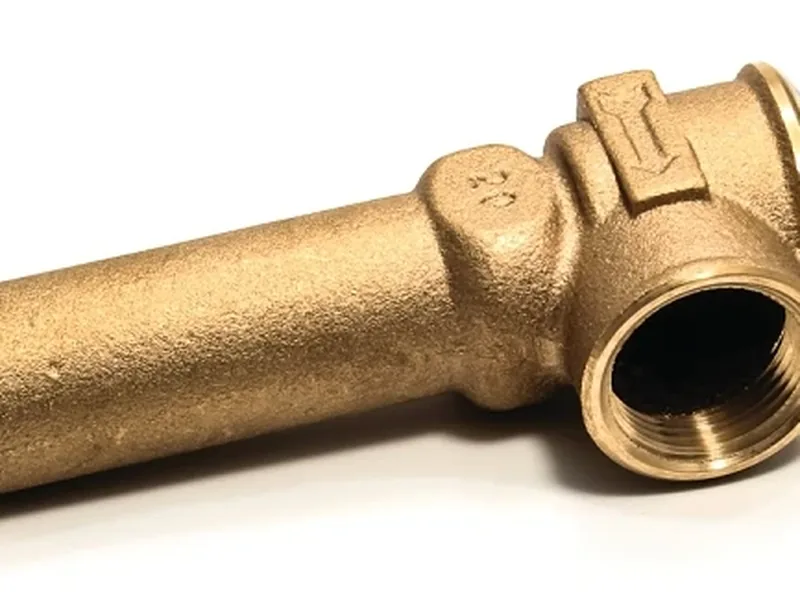
The 46260 ZIP covers north Indianapolis — mid-century ranches, split-levels, and brick traditionals whose water heaters have been working since the neighborhoods were built, alongside newer infill and renovated homes. Across this area, dripping TPR valves are one of the most common water heater complaints we see: valves weeping from thermal expansion in closed systems, valves with seats scaled by decades of hard water, and discharge piping that has been wrong since the Carter administration. A dripping temperature and pressure relief valve is your tank reporting a pressure or temperature problem — and it deserves a real diagnosis.
Water Heater Leak Repair Co. provides TPR valve replacement in Indianapolis, IN 46260 for gas and electric tank heaters. We measure system pressure through a live heating cycle, verify expansion control and thermostat function, install a correctly rated valve, and bring the discharge piping up to code. Call (833) 713-2101 and tell us what your valve is doing.
In Short: In Indianapolis, IN 46260, TPR valve drips most often come from thermal expansion in closed systems, PRVs that have drifted high over decades, scaled seats in hard water, or sticking thermostats in aging tanks. We diagnose pressure live through a recovery cycle, replace the valve with one rated for your heater's BTU input, and correct discharge piping to a visible termination.
How TPR Valve Replacement Works in Indianapolis, IN 46260
The TPR valve threads into your water heater tank and guards 150 PSI and 210°F with a spring-loaded disc and an immersed temperature probe. Our 46260 replacement service follows a strict order — energy off, cold inlet closed, controlled depressurization — because what we learn in the diagnostic determines whether the new valve survives.
We mount a gauge, log static pressure, and watch it through a full recovery cycle. North-side homes show characteristic patterns: 1960s–70s houses with PRVs installed decades ago and no expansion tank spike violently during recovery; homes with newer PRVs show high static pressure that has drifted upward over the years; renovated homes with new heaters on old plumbing show expansion-tank failures. The live pressure log separates these in minutes, and each points to its companion repair — expansion tank installation, PRV replacement, or tank service.
Thermostat verification is critical on 46260's aging electric tanks. Decades-old thermostats stick, ECOs fail, and tanks creep toward the valve's temperature limit — producing scalding discharge rather than pressure weeps. We verify cut-out temperatures before replacing the valve; a temperature-driven discharge means the control fault is the primary repair and the valve is secondary.
Installation is exact: old valve extracted with a wrench on the body flats, tapping threads cleaned, new valve installed with potable-rated sealant. The replacement's BTU rating must meet or exceed the heater's input rating — confirmed against the data plate. On the high-input gas units common in 46260's larger split-levels, correct rating is a safety requirement.
Discharge piping in this ZIP is frequently decades out of compliance: reduced sizes, uphill runs, terminations hidden in crawlspaces, missing pipes. Code requires full-size gravity-pitched pipe, no restrictions, terminating 6 to 24 inches above the floor or a drain — visible. During a TPR valve replacement in Indianapolis, IN 46260, we rebuild the discharge line to that standard, because a relief valve with a compromised discharge path provides false security.
We fill the tank completely before restoring energy, run a full cycle under gauge observation, confirm the new valve stays dry, exercise the test lever in front of you, and review the readings and root cause plainly.
Decoding Your Drip
Weeping after heavy use that fades within the hour is thermal expansion — the closed-system signature. Constant seepage with crust indicates sustained high pressure or a scaled seat. Sudden scalding discharge or steam with rumbling is temperature runaway: shut off the heater's energy and call (833) 713-2101 immediately. Note the timing — it focuses our diagnosis.
Local Factors That Matter for TPR Valves in Indianapolis, IN 46260
Aging infrastructure is the headline factor. Many 46260 homes still run original-era PRVs and plumbing, with check valves added at meter replacements over the years — closing systems that were open when built. The TPR valve becomes the expansion relief by default, weeping for years while homeowners replace the valve repeatedly. Our first visit usually breaks that cycle by diagnosing the missing expansion control.
Basements and crawlspaces dominate installations. Stone and block basements in the older homes, crawlspaces in the ranches — both produce corroded discharge piping and difficult routing. We rebuild discharge lines properly even in tight spaces, terminating them where discharge is visible.
Citizens Energy Group water in this area carries moderate-to-high hardness, scaling valve seats and stiffening springs over a heater's life. Annual lever tests catch valves scaling shut; periodic flushing removes the sediment that fouls seats.
Renovation churn adds surprises: flipped homes with new heaters on old closed plumbing, DIY discharge piping, mismatched valve ratings from quick repairs. We verify everything against code during service — rating, piping, termination — and correct what quick fixes got wrong.
Why 46260's Meter Replacements Created a Wave of Weeping Valves
Many north-side Indianapolis homeowners first noticed their TPR valve dripping in the months after the water meter was replaced — and that timing is not a coincidence. Modern meter installations include check valves that prevent backflow into the municipal main. On the day that check valve goes in, a home's plumbing changes from an open system (where expanding hot water could push back into the street main) to a closed system (where expanding water is trapped inside the house). From that day forward, every heating cycle pressurizes the home's piping until something gives — and the TPR valve, set at 150 PSI, is designed to be the thing that gives.
Homeowners understandably blame the valve, because the valve is what changed behaviorally. But the valve is behaving exactly as engineered; the system around it changed. The correct fix is adding thermal expansion control — a properly charged expansion tank on the cold-water line near the heater — so expanding water has somewhere to go besides out the relief valve. We explain this history on nearly every 46260 service call, because understanding it is what stops the cycle of replacing the valve every year or two.
There is a second infrastructure wrinkle in 46260: pressure zones. Distribution pressure varies with elevation and distance from pumping stations, and some north-side streets see notably higher static pressure than others a mile away. That is why your neighbor's valve is dry while yours weeps — same water, different pressure. Our gauge readings during the diagnostic account for your street's reality, not a citywide average, and when static pressure is the driver we address the PRV rather than just the valve.
What Happens When You Call (833) 713-2101
Describe the pattern — timing, volume, temperature — plus heater age and fuel. Scalding discharge or steam means shutting down now with priority scheduling; a weep means a prompt visit.
On site: live pressure diagnostics, expansion and thermostat checks, replacement with a correctly rated valve, compliant discharge piping, demonstrated lever test — usually one visit. You get the old valve, the readings, and a straight explanation of the cause and any related needs.
For TPR valve replacement in Indianapolis, IN 46260, Water Heater Leak Repair Co. diagnoses first and fixes right. Call (833) 713-2101 today.