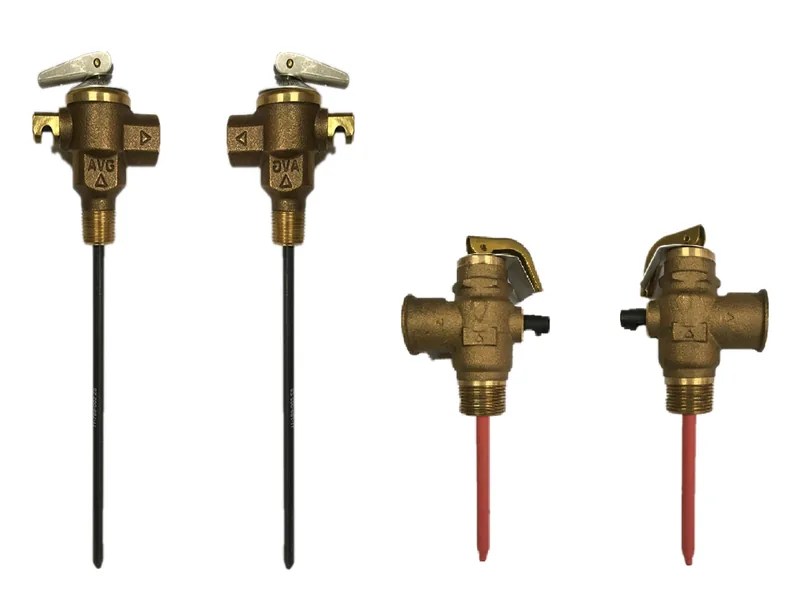
Speedway, IN 46224 is the town built around the Indianapolis Motor Speedway — small, proud, and full of older bungalows, cottages, and ranch homes whose water heaters have been quietly working for decades. In Speedway's compact neighborhoods, dripping TPR valves are a routine complaint: expansion weeping in systems closed by meter upgrades, scaled seats from hard water, and discharge piping installed in eras when code was more suggestion than requirement. A dripping temperature and pressure relief valve is your tank's report on pressure or temperature inside — and it deserves a proper reading.
Water Heater Leak Repair Co. provides TPR valve replacement in Speedway, IN 46224 for gas and electric tank heaters. We diagnose first — pressure logged through a live heating cycle, expansion control verified, thermostat function checked — then install a correctly rated valve and bring discharge piping up to code. Call (833) 713-2101 and tell us what your valve is doing.
In Short: In Speedway, IN 46224, TPR valve drips typically come from thermal expansion in systems closed by meter check valves, aging PRVs passing high pressure, scaled seats in hard water, or failing thermostats in older tanks. We diagnose pressure live, install a valve rated for your heater's BTU input, and rebuild discharge piping to a visible, code-compliant termination.
How TPR Valve Replacement Works in Speedway, IN 46224
The TPR valve threads into your water heater tank and guards 150 PSI and 210°F with a spring-loaded disc and an immersed temperature probe. Our Speedway process starts with energy off and the cold inlet closed, then controlled depressurization — followed by the diagnostic that determines the repair's durability.
We mount a gauge, record static pressure, and watch it through a full recovery cycle. Speedway's older homes show the classic pattern: systems that were open when built, closed later by check valves at meter replacements, now spiking past 150 PSI on every recovery with no expansion tank. Homeowners often date the weeping to the meter swap — correctly. The valve is behaving as engineered; the system changed around it. The live pressure log makes this undeniable, and the companion fix is expansion control, not just a new valve.
Thermostat verification matters on Speedway's aging electric tanks. Decades-old thermostats stick, driving tanks toward the temperature trip point and producing scalding discharge rather than pressure weeps. We verify cut-out temperatures and ECO function before condemning the valve — temperature-driven discharge means the control fault is the primary repair.
We also function-test the old valve. In Speedway's hard water, neglected valves scale shut; a frozen lever means the tank has been operating without protection. We attempt the test during diagnosis and show you the result.
Installation is exact: old valve extracted with a wrench on the body flats, tapping cleaned, new valve installed with potable-rated sealant. The replacement's BTU rating must meet or exceed the heater's input — verified against the data plate. On high-input gas units, correct rating is a safety requirement.
Discharge piping in Speedway's bungalows and cottages is often original-era: reduced sizes, uphill runs, terminations in crawlspaces, missing pipes. Code requires full-size gravity-pitched pipe with no restrictions, terminating 6 to 24 inches above the floor or a drain — visible. During a TPR valve replacement in Speedway, IN 46224, we rebuild the discharge line to that standard, working within the tight utility spaces these homes are famous for.
We fill the tank completely before restoring energy, run a full cycle under gauge observation, confirm the new valve stays dry, exercise the test lever in front of you, and review the readings and root cause plainly.
Reading the Patterns
Post-use weeping that fades within the hour is thermal expansion — especially if it started after a meter replacement. Constant seepage with crust points to high static pressure or a scaled seat. Sudden scalding discharge or steam with rumbling is temperature runaway: shut off the heater's energy and call (833) 713-2101 immediately. Note the timing before calling.
Local Factors That Matter for TPR Valves in Speedway, IN 46224
Meter-closure history is Speedway's signature factor. Many homes here were replumbed from open to closed systems by meter upgrades without anyone adding expansion control. If your valve started weeping within months of a meter swap, the diagnosis is nearly certain — and the fix is an expansion tank, with the valve replaced because months of weeping scored its seat.
Compact older homes mean tight utility spaces: heaters wedged into closets, corners, and crawlspaces with creative historical piping. We rebuild discharge lines properly even in tight quarters, terminating them where discharge is visible.
Hard water scales seats and stiffens springs. Annual lever tests catch frozen valves; flushing removes seat-fouling sediment. In Speedway's unsoftened homes, both are routine recommendations.
Race-season rentals and guest use spike hot-water demand in May, stressing marginal valves and expansion setups. If your Speedway valve only weeps during high-use periods, that is still a pressure problem worth fixing before the next busy season.
The Cost of the Bucket-Under-the-Pipe Approach
A weeping valve wastes hundreds of gallons of heated water monthly, but chronic overpressure also degrades washing machine hoses, toilet fill valves, faucet cartridges, and the tank shell. Correcting expansion control when the valve is replaced protects the whole system — which is why our diagnostic always includes the pressure log rather than just a valve swap.
Small Homes, Visible Discharge: TPR Safety in Speedway
Speedway's compact bungalows and cottages turn a hidden TPR discharge into a fast-moving problem — there is simply less house between the water heater and the living space. That makes discharge visibility the most important thing we establish during a Speedway service. The discharge pipe must terminate where you will actually see water coming out of it: not behind the furnace, not inside a wall, not into a crawlspace. When we reroute a Speedway discharge line, we choose the termination for visibility first and neatness second, because the valve's warning function is the whole point.
The second Speedway-specific protection is a water alarm at the heater base. In a small utility closet, a ten-dollar battery alarm turns a silent overnight weep into a wake-up call before water reaches flooring or drywall. We recommend one on every Speedway TPR service — it is the cheapest insurance in the plumbing world. Third, know what discharge looks like versus a leak: water actively coming from the discharge pipe end means the valve opened (pressure or temperature event — note it and call us); water on the floor with a dry pipe end means a tank or fitting leak instead. Knowing the difference tells you what to report when you call (833) 713-2101, and it tells us how to prioritize your visit.
What Happens When You Call (833) 713-2101
Describe the drip pattern, water temperature, heater age and fuel — and mention any recent meter work, since it often explains everything. Scalding discharge or steam means shutting down now with priority scheduling; a weep means a prompt visit.
On site: live pressure diagnostics, expansion and thermostat verification, old-valve function test, correctly rated replacement, compliant discharge piping, demonstrated lever test — usually one visit. You get the readings and a straight explanation.
For TPR valve replacement in Speedway, IN 46224, Water Heater Leak Repair Co. fixes the cause behind the drip. Call (833) 713-2101 today.